
What Full-Service Wedding Planning Actually Looks Like Behind the Scenes
Cornerstone Conversation
You get engaged, and at first, planning your wedding sounds fun. You start looking at venues, save an unreasonable number of photos to Pinterest, and send a few inquiries to spaces you like. Then the responses start arriving. One venue sends a 14-page catering package. Another has a room rental plus a minimum spend. One has an exclusive caterer, while another gives you a list of seven caterers to choose from. There are bar packages, preferred vendor lists, rental inclusions, production requirements and contracts to review.
For busy professionals, this is often the point when wedding planning starts feeling less like a fun project and more like a second job. You may have only contacted three venues, but suddenly you have a collection of PDFs sitting in your inbox, and you're expected to understand what they include, what they don't, how they compare and whether any of them will actually work for the wedding you have in mind.
You can definitely plan a wedding yourself. Plenty of couples do, but if you already know that you want a planner involved in some capacity and you're trying to understand whether you need Full Planning or Month-of Management, it helps to understand what Full Planning actually looks like behind the scenes.
For us, full-service wedding planning means having an event manager, project manager and guide from the beginning. There is a framework for the wedding before the first vendor is contacted. We understand where our couple wants to end up, anticipate many of the requirements they may not know to consider yet, and build the pathway that gets us there.
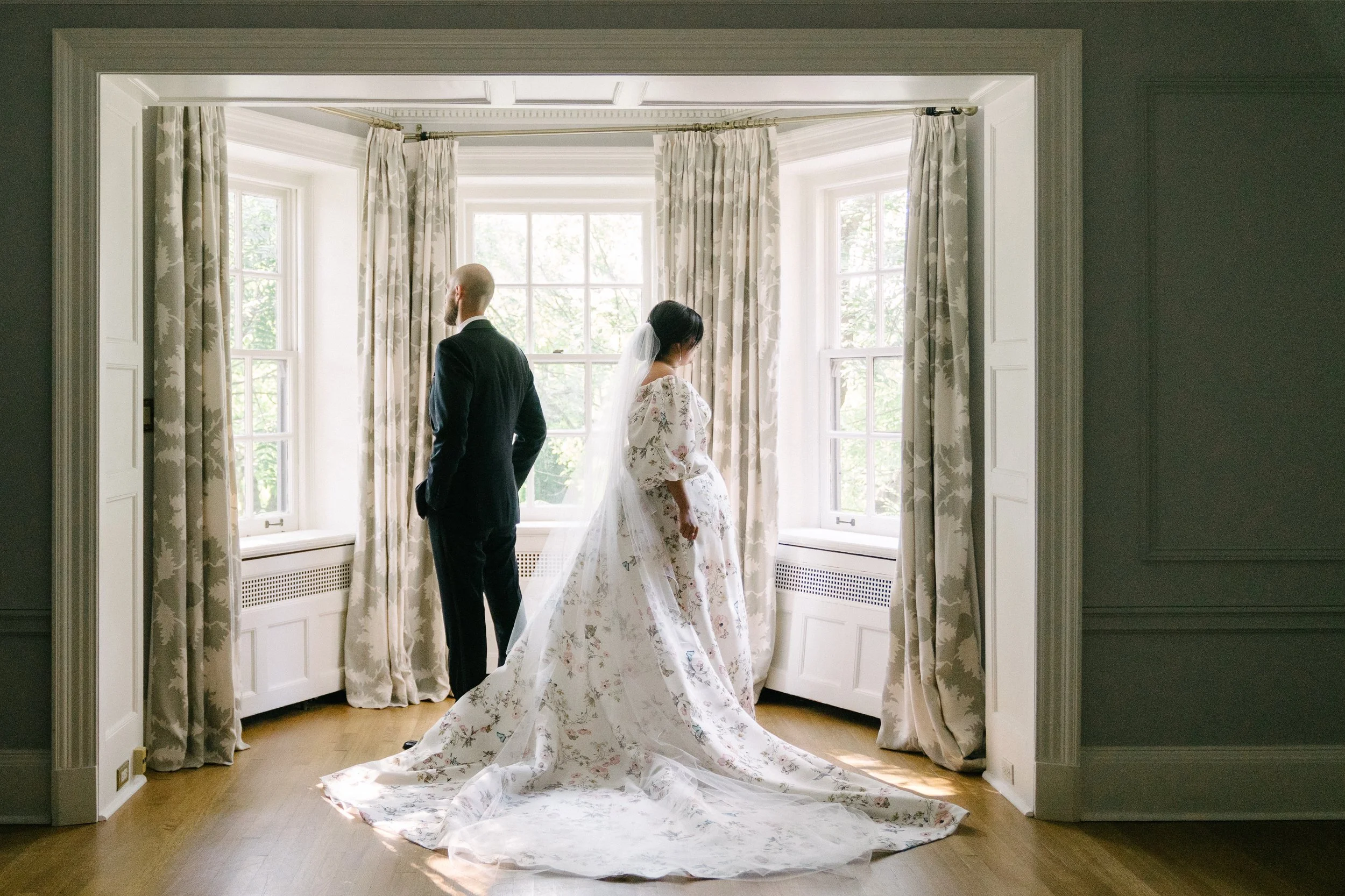
Photography by Mango Studios
We start by figuring out what you're actually trying to create
Most couples don't walk into their first planning meeting knowing exactly what their wedding should look like. More often, they know how they want it to feel. They want it to be beautiful and fun, with their cultures represented, while still having the wedding feel like the two of them. They want to respect their families, but they also want their friends on the dance floor having a really good time. Those are good, meaningful goals, but they aren't a wedding plan just yet. Our first job is to understand what those things actually mean to the couple we're working with.
For a multicultural or fusion wedding, we'll ask what they genuinely enjoy about their respective cultures and what they want translated into their wedding experience. What have they loved about other weddings within their cultures? What haven't they enjoyed? How traditional do they want their ceremonies to be? Do they want two ceremonies, one combined ceremony, or something entirely different? These are real questions we ask during the initial phase of planning, what we call our vision meeting.
We also want to understand who they are outside of their cultures and outside of wedding planning. How did they meet? What do they enjoy doing together? What does a free Saturday look like? How do they normally entertain people? Then we look at who will actually be attending the wedding. Is the guest list mostly family, mostly friends, heavily made up of parents' friends and colleagues, or some combination of all three? Are many of the guests travelling in for the wedding?
All of that information starts to give the wedding a framework. It helps us make decisions about the venue, food, entertainment, design and flow of the celebration based on the experience we're actually trying to create, rather than simply working our way through a generic wedding checklist.
Wedding Budget is an early conversation, and an ongoing one
Budget is one of the first things we discuss because it affects nearly every decision that follows. There are standard categories that most wedding budgets need to account for, but how much we allocate to each category depends on the couple and the experience they value most. This is why we describe ourselves as a values-driven team.
An aesthetically driven couple may want to devote more of their budget to florals, decor, rentals and production. Another couple may care a lot more about entertainment, which means we need to create more room for a live band, staging, lighting, performers or other experiential elements. For a couple who is very food-focused, the venue strategy itself might change. Instead of choosing an all-inclusive banquet venue, maybe we consider a restaurant or a space that allows us to bring in a specific culinary team. The overall budget may be similar, but where that money needs to go is going to look completely different. Budget is an ongoing conversation as the wedding develops; we continue looking at how individual decisions affect the whole project.
A band is a good example. Let’s say we have $5,000 earmarked for entertainment, and the couple finds a band they love for $5,000; it may initially look like the decision fits perfectly, right? Yet the band's fee may not include the AV equipment, microphones, monitors, production support and technicians required to actually put that band in the room. If the true cost pushes us beyond the amount available, we need to have a conversation. We can choose different entertainment, move money from another category or increase the overall budget. The decision remains the couple's, but they're making it with a much clearer understanding of what that decision actually costs.
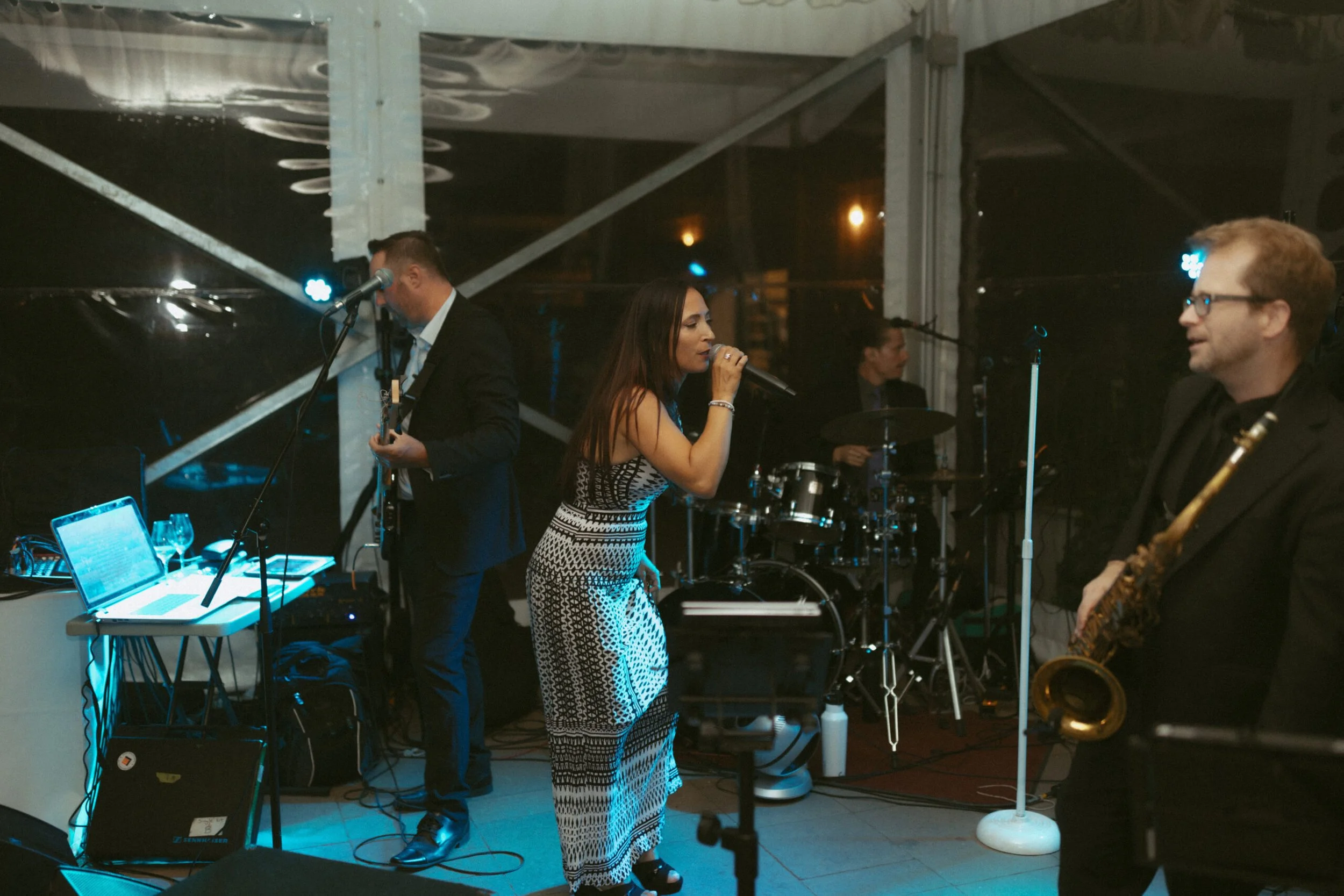
Photography by Saraya Joy Photography
Ideally, Full Planning begins before you book your venue
The biggest advantage of hiring a Full Planning team early is having professional guidance before signing the largest and often most restrictive contract of the wedding. We always secure the venue first, and until there is a signed venue contract, we don't consider the wedding date set in stone. However, there is quite a lot of work that can happen before that contract is signed.
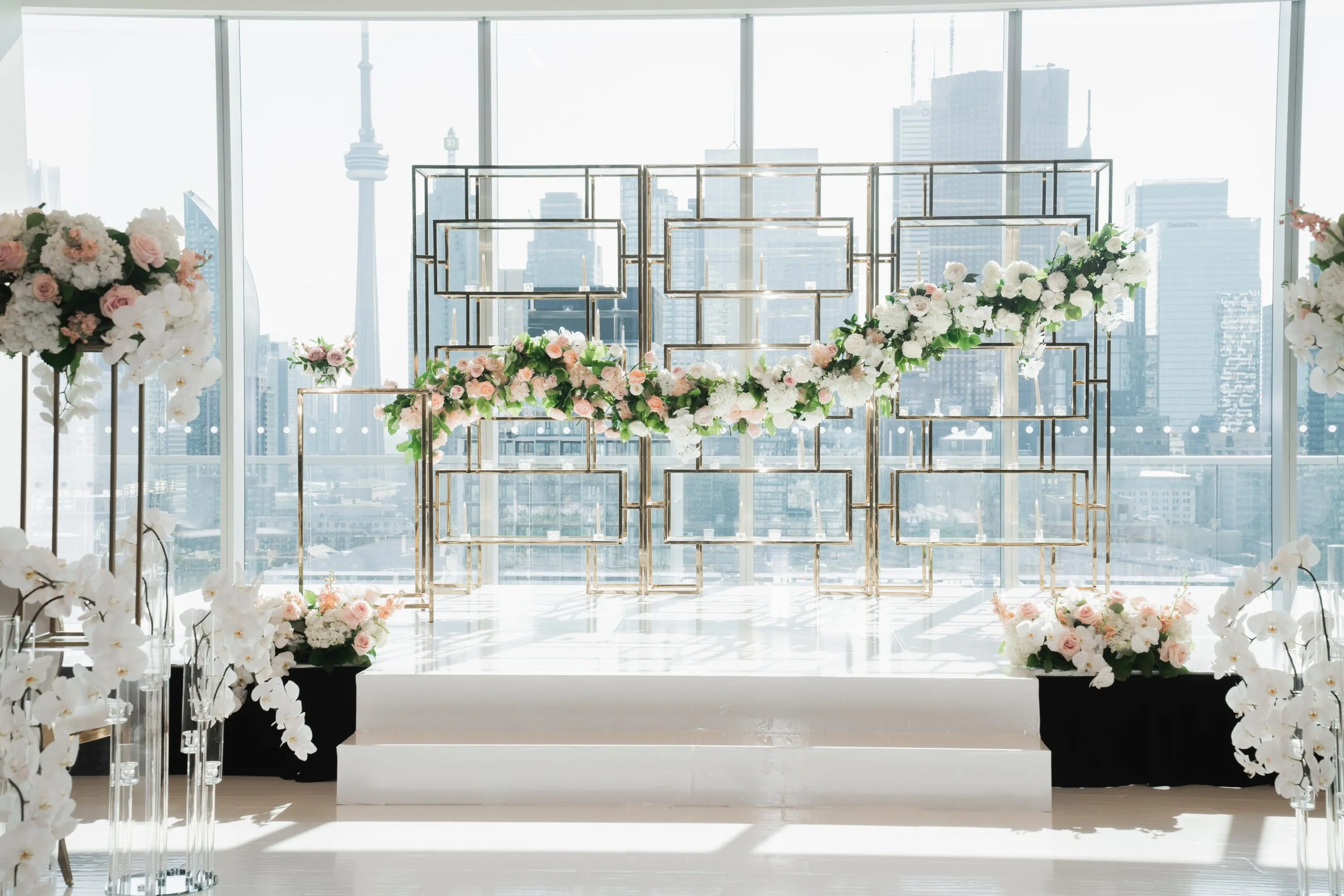
Let's say a couple is strongly considering the Globe and Mail Centre in Toronto. Before we even schedule a site meeting, our team can request the current venue rental and bar costs and review the venue's required vendor structure. We can reach out to required or preferred vendors, gather preliminary pricing and potentially obtain sample catering menus and rental costs. That has real budget implications and can provide a lot of clarity very early on.
The couple can then evaluate the venue based not simply on the rental fee they saw in the initial package, but on a much more realistic understanding of what hosting their wedding there is likely to cost. At the same time, we're evaluating whether the space supports the wedding we're trying to build. Can it comfortably accommodate the guest count and desired floor plan? What will be required to achieve the design? Are there production restrictions? Do the contract inclusions actually reflect the conversations the couple has had with the venue?
A full wedding planner can still provide significant value if the venue has already been booked, but once a contract is signed, we're planning within parameters that already exist. If we later find out that something important isn't included or that the space doesn't support the original vision as easily as expected, we can discuss logistical or contractual changes with the venue or adjust the vision to work within the space, but there is less flexibility than we would have had if this had been considered before the venue was booked. Simply put, an experienced full wedding planner considers details that most couples don’t, and that is simply from experience. You just don’t know what you don’t know, you know? :)
We build the right wedding vendor team
Once the venue is booked, we start working through what we consider our structural vendors: catering and bar, where applicable, photography and cinematography, officiant and entertainment. Other categories then follow as the planning process develops.
Important to note: full wedding planning does not mean your planner chooses your vendors for you. Our role is to drive the process forward and make the amount of work required to reach those decisions significantly more manageable.
We recommend vendors based on the wedding we're building, the available budget, the aesthetic and the experience our couple is trying to create. Once they give us feedback on those recommendations, our team reaches out to confirm availability, establish baseline pricing and begin scheduling conversations. We maintain communication throughout the process and help our couples evaluate which vendors appear to be the strongest fit, offering our professional feedback along the way.
The final decision belongs to the couple. What we've taken off their plate is the work required to get to that decision. Instead of spending evenings searching for photographers, contacting a dozen of them, waiting for responses and trying to compare packages that aren't structured the same way, they're evaluating a much smaller group of viable options that have already been vetted against the requirements of their wedding.
One wedding decision is almost never just one wedding decision
A less visible part of full wedding planning is understanding the domino effect of individual decisions. Something that sounds relatively simple can create changes across several vendors, the floor plan, the timeline, and the budget.
Imagine that a couple decides they want to invite another 40 guests. That means we're looking at at least another four to six tables. We need to know whether the room can actually accommodate these extra tables, and whether the floor plan needs to change. More tables means more centrepieces, linens, chairs, tabletop rentals and place settings. Catering, bar, rentals, stationery, and favours may need to scale as well, and depending on the space and setup, we may even need to rethink whether the existing AV plan adequately serves the larger room configuration.
None of that means the couple can't invite another 40 people. It just means that “let's invite 40 more people” isn't one isolated decision. Part of our role is anticipating all of the factors connected to the one decision being made right now and helping the couple evaluate the full impact before moving forward.
When does wedding design begin?
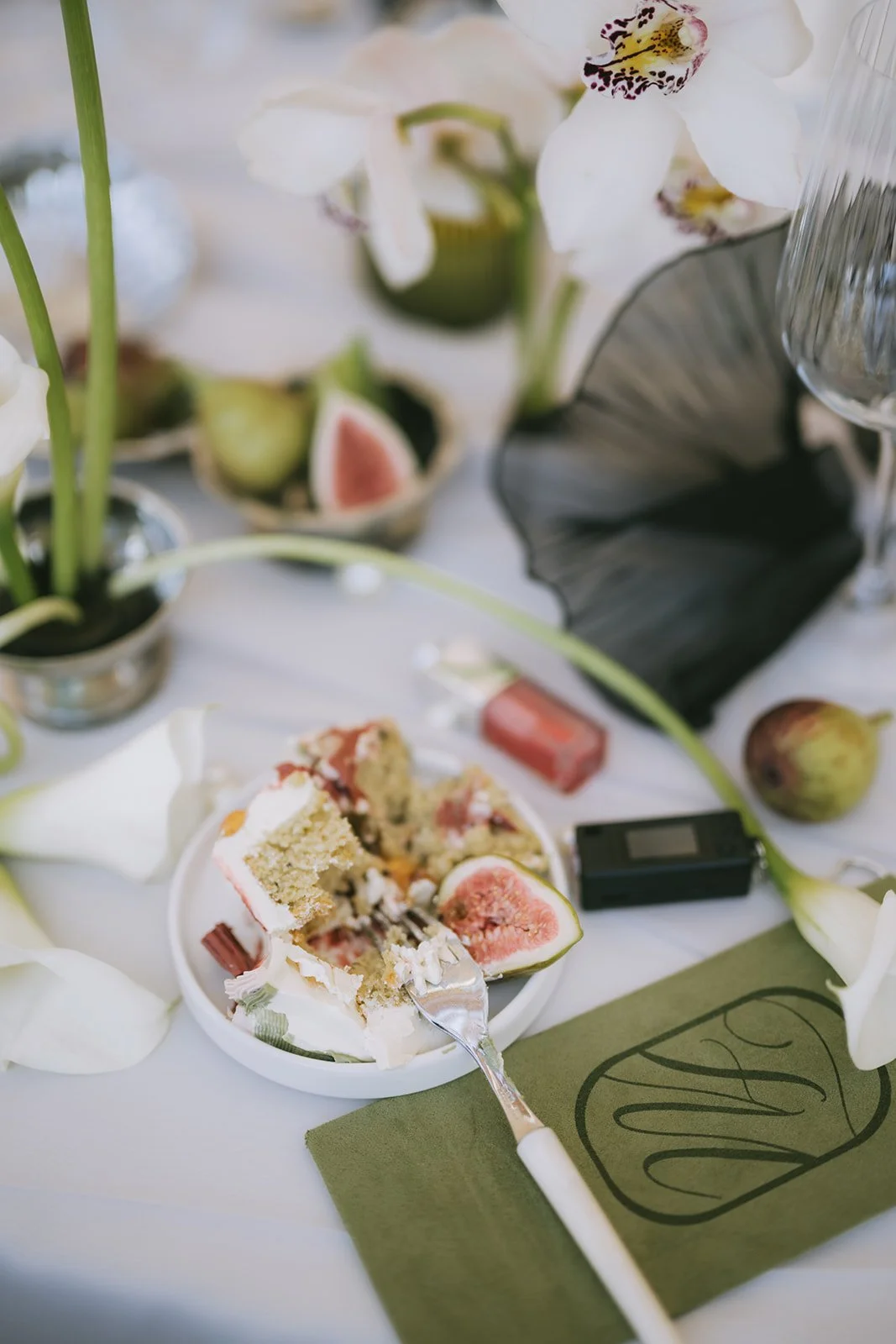
When we begin the design process, I want to know why the couple saved the images they did. The Pinterest board itself isn't the design; it's just information.
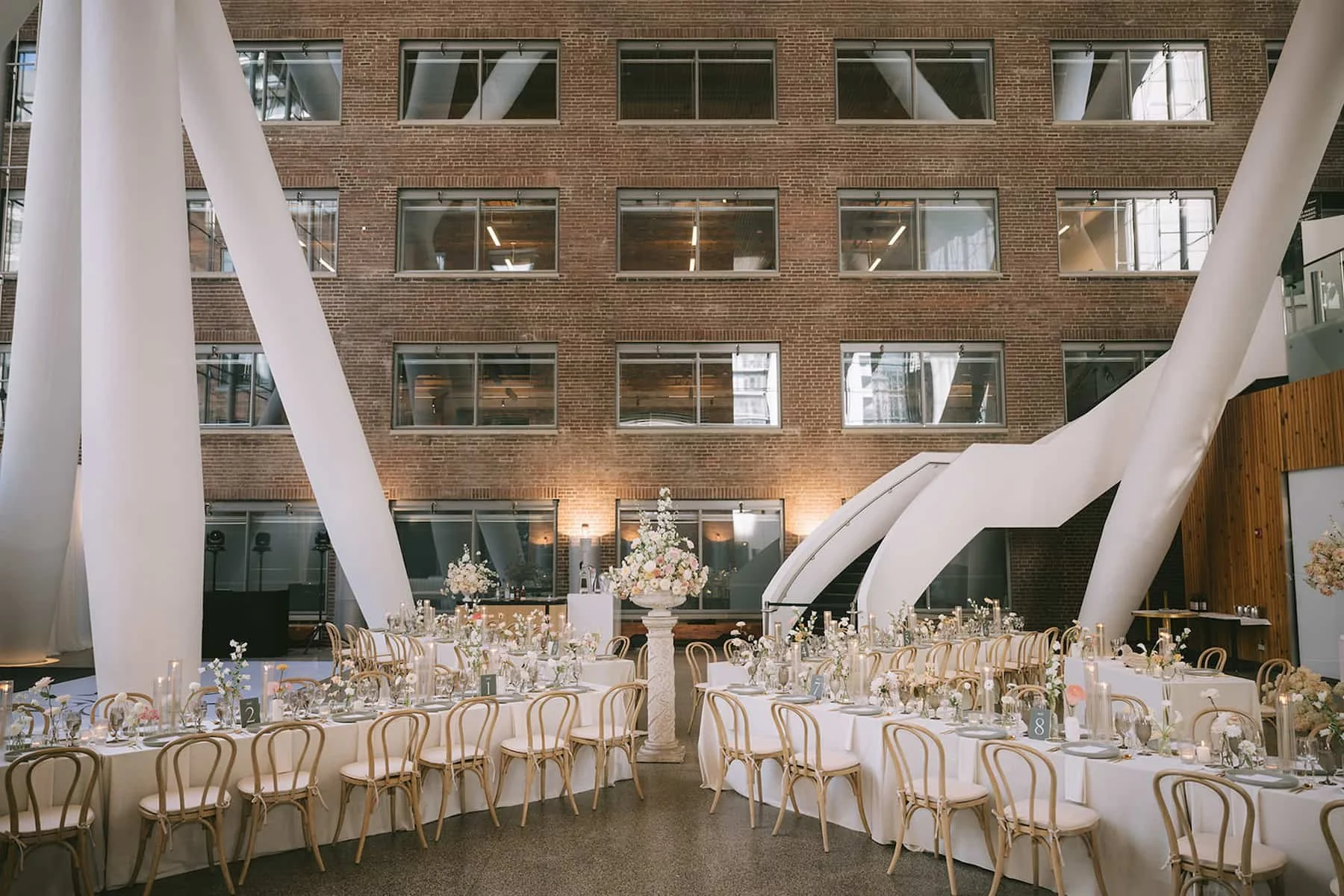
Maybe they love the textures and colours of the floral in one picture, the layout of the tables in another and the mood lighting in a third. Maybe none of the images look quite exactly like the wedding we're ultimately going to create, but together they tell me something about the emotion the couple is trying to evoke. During our design meeting, we talk through those images alongside the format of the day, the spaces we're working within and, of course, the budget.
I then take that information away and develop a detailed design board. Depending on the wedding, it may include different ceremony configurations, arrangements or structures, ways to bring the cocktail space to life, reception design, and personal florals. It can also include linens, furniture, tabletop pieces, candles and lighting. We look at opportunities to repurpose pieces thoughtfully throughout the day, and I propose floor-plan concepts that help the couple visualize both how the room will look and how it will function for service. A great design isn’t worth much if it impedes the functionality of the space.
We meet again for me to present the design, collect feedback and make revisions. From there, I gather pricing from vendors whose work suits the direction we've developed, and the couple decides which partners they prefer. Throughout the process, their lead planner continues managing the broader planning and logistics while I provide additional support on the design side through to the wedding itself.
Photography by Eric Cheng. Stationery by June & Opal.
Multicultural and fusion weddings add another Facet to Wedding Planning
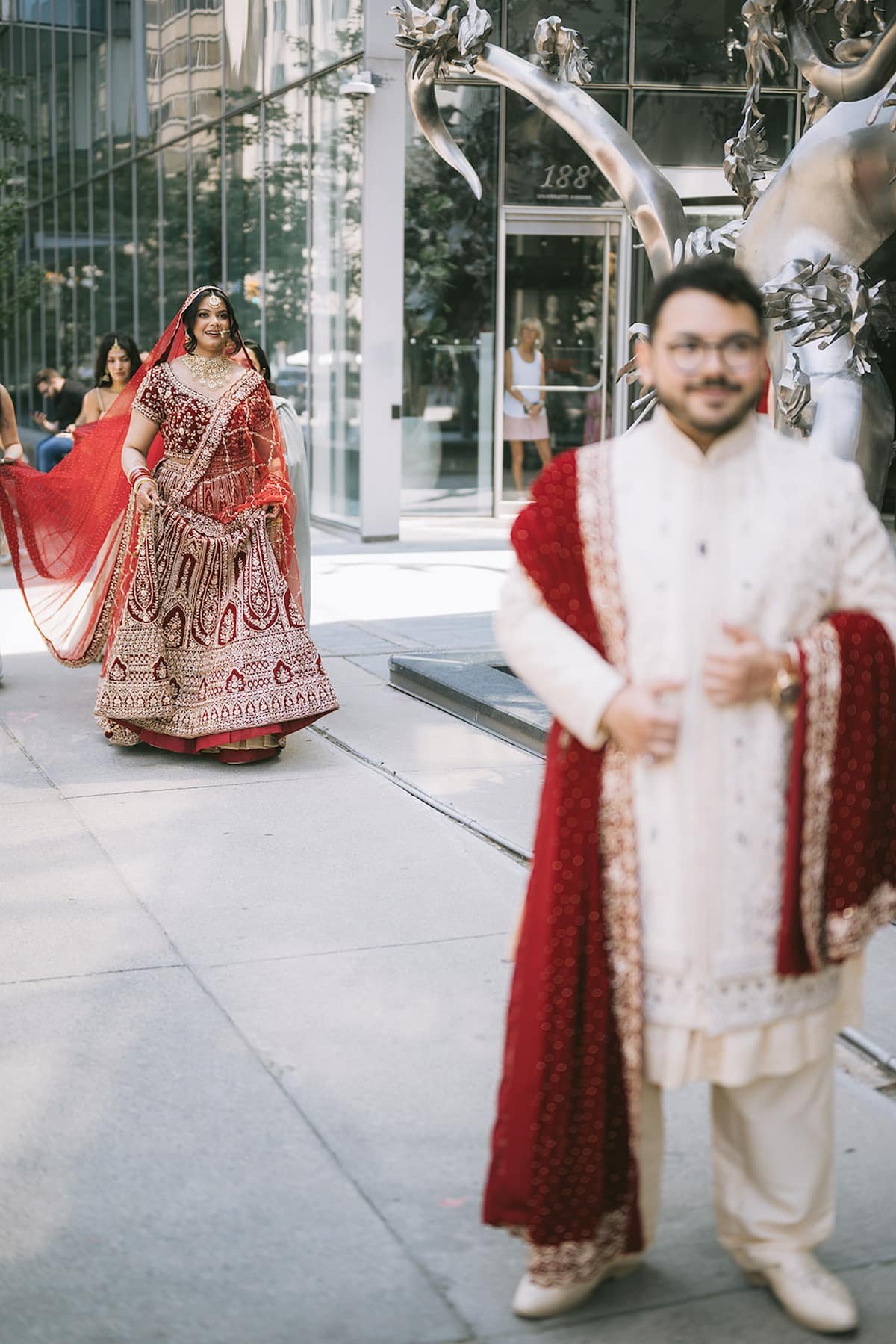
Planning a fusion wedding isn't just a matter of taking traditions from two cultures and jamming all of them into one itinerary. First, we need to understand what those traditions actually mean to the people involved and how much importance they carry into the plan for the wedding.
We also need to understand the decision-making structure. Does the couple have the final say over how the wedding is executed? If family expectations have significant weight, whose opinions need to be considered before we pull the trigger with each vendor? How traditional does the couple want each ceremony to be? Do they even want two ceremonies, or are we building one combined ceremony? A single ceremony can be just as complex when we're integrating elements from different cultures or religions.
Many couples want their parents deeply involved in the planning process. Others care about their parents' opinions but ultimately want to make the final decisions themselves. When that's the case, we generally ask that direction to our planning team come from the couple. If parents contact us with instructions that conflict with what our clients have already directed us to do, we defer to the contract holders and may ask the couple to keep their families informed themselves.
Planners often joke amongst themselves that we act as therapists and mediators, but truthfully our job isn't to mediate relationships between the couple and their families. It is, however, our job to understand the nuances we're working within so we can plan respectfully, communicate clearly, and ensure that these expectations are exceeded.
The final weeks are when much of the invisible work happens
As the wedding gets closer, couples will need to be concentrating on their seating chart, final attire appointments, vows, and the remaining personal details. At the same time, our team is moving heavily into production and execution planning.
As a team, we’re working through delivery, production and load-in schedules and confirming floor plans with every relevant vendor. We're scheduling the couple's final vendor meetings and using those conversations to detail and finalize the itinerary, resolve outstanding logistics, and account for any last-minute questions or changes. While the couple is determining who sits at each table, we're finalizing how those tables, the decor, the catering team, the entertainment, the photographers, and everyone else involved in producing the wedding fit into the same space and schedule.
We're also preparing our own team. We determine the level of on-site support required, brief the assistants on the logistics of the day, and make sure the team structure allows the lead planner to remain available to oversee the event instead of being pulled in every direction.
On the wedding day, our job is to drive the plan forward
Whether we're working with a Full Planning client or a Month-of Management client, our responsibility on the wedding day itself remains the same: we drive the itinerary forward and oversee the confirmed plans on the timeline and floor plans.
The lead planner is the central point of contact for the day for both the venue and all vendors. Vendors know who to come to with questions, the couple has someone consistently checking in on them, and the lead planner maintains oversight of the entire event. Our assistants support the lead planner by handling the practical and physical tasks on our task list, and those surprise tasks that inevitably come up throughout the day.
Honestly, something goes wrong at every event - that is just the nature of live events involving a lot of people, products, moving pieces, and variables. Sometimes the behind-the-scenes reality is messier than anticipated. Our job is to manage those moments so that, as much as possible, the couple, their families and their guests don't experience the chaos.
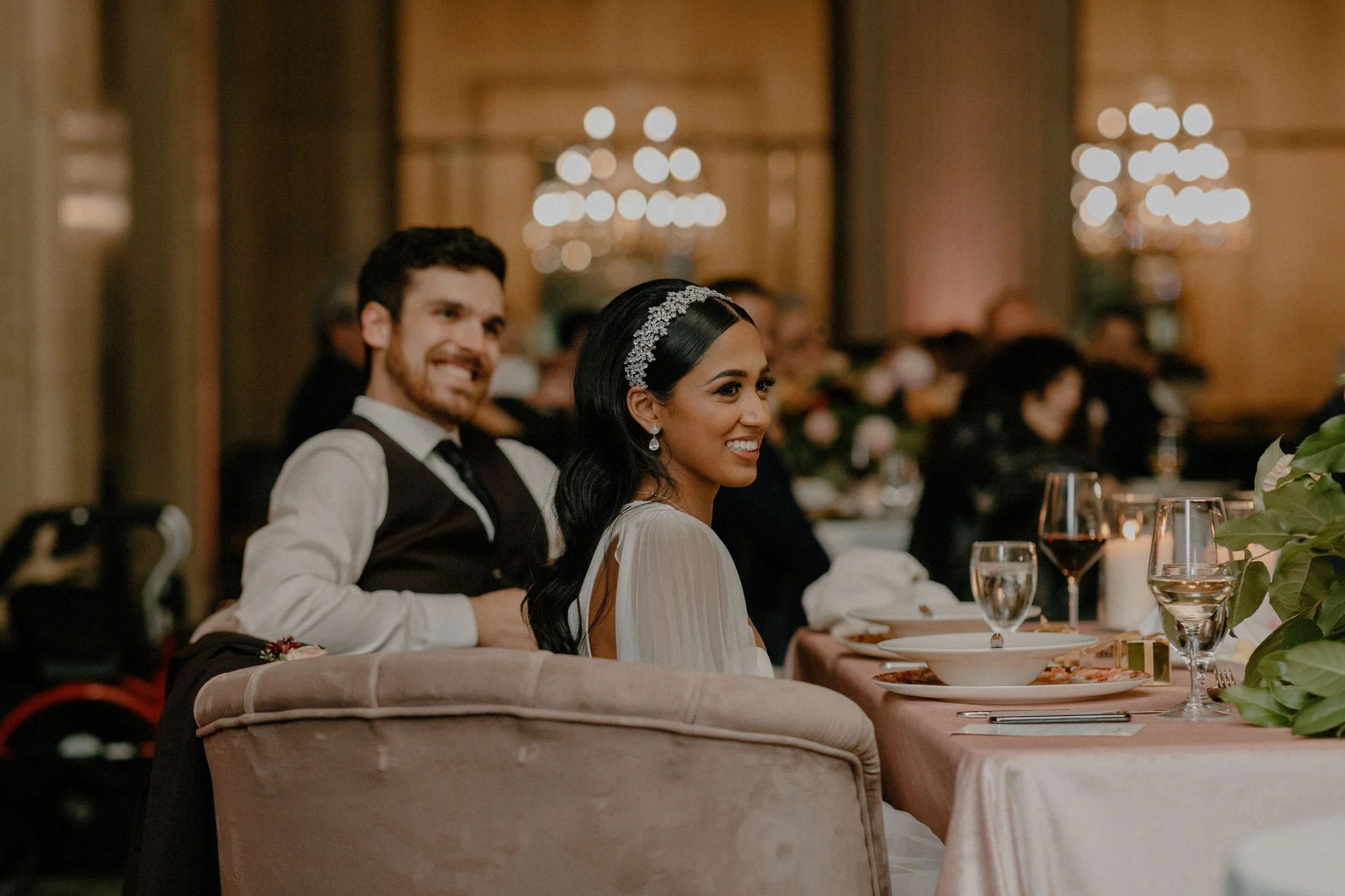
We want to see our couples having fun, staying present, and really enjoying their wedding day. They should be talking to their guests, eating the meal they spent months selecting, laughing, watching the entertainment, and dancing. They shouldn’t feel like they need to clutch a copy of the itinerary, and check whether everyone is where they're supposed to be.
Photography by Northern Wildflower
Full Wedding Planning still requires you to be part of the process
Full wedding planning is a partnership. It doesn't mean handing your wedding to a planner and disappearing until the rehearsal. We don't choose your vendors for you, and we don't make the personal decisions that belong to you. We're probably not going to choose your first dance song either, because why would we be picking your first dance song? We provide the framework, professional guidance and information you need to make good decisions, but they remain your decisions.
It also means our couples need to review the information we send them. When we provide proposals, contracts and other documents for review, they need to be read before they're signed. We can help identify questions, explain how a particular term may affect the broader wedding plan and make sure the appropriate information has been gathered, but we cannot take responsibility for contractual terms that haven't been reviewed by the people signing them.
The big question: Could you plan your wedding yourself?
Sure you could! The more useful question is whether you have the time and resources required to do it in the way you want.
Planning a detailed and complex wedding requires hundreds of hours, so the first thing you have to consider is time. Can you realistically take on the wedding work alongside your career, family, travel, and the rest of your life? You also need a reasonably clear vision for the outcome and an understanding of the workback plan it takes to get there. Having an idea of what you want the wedding to feel like is different from knowing which decisions need to happen, in what order, and when, to create it.
You also need contacts or the time to find and evaluate the right event partners. Eventually, you need manpower because someone has to execute the plans, oversee setup, keep the itinerary moving and handle teardown. Lastly, you need contingency plans for the parts of the wedding where a Plan B may become necessary.
Some couples have those resources and genuinely enjoy the planning process - they may be perfectly happy managing it themselves. For others, the issue is whether they want wedding planning to become another significant job for the next 12 to 18 months.
Ready to talk about Full Planning & Design?
If you're planning a wedding in Toronto or across Canada, a multicultural or fusion celebration, or a wedding in Canada while living elsewhere, and you've already started collecting venue packages that are creating more questions than answers, this is exactly the stage when having a planning team involved can be most useful.