
A first look is often discussed as a photography decision, but its impact reaches much further into how you experience your wedding day. Choosing whether to see each other privately before the ceremony affects when your formal photographs happen, how you spend cocktail hour, how much time you have with your guests, and how much breathing room exists throughout the day.
When our couples ask whether they should have a first look, we rarely answer with an immediate yes or no. Instead, we start with two questions: How do you want to experience the first moment you see each other, and how do you want to spend the time immediately following your ceremony?
Some couples have always imagined seeing each other for the first time with everyone they love present at the ceremony. Others prefer the idea of having that first moment privately, before the day becomes filled with guests and celebration. Both can be incredibly meaningful, but each choice creates a different rhythm for the wedding day.
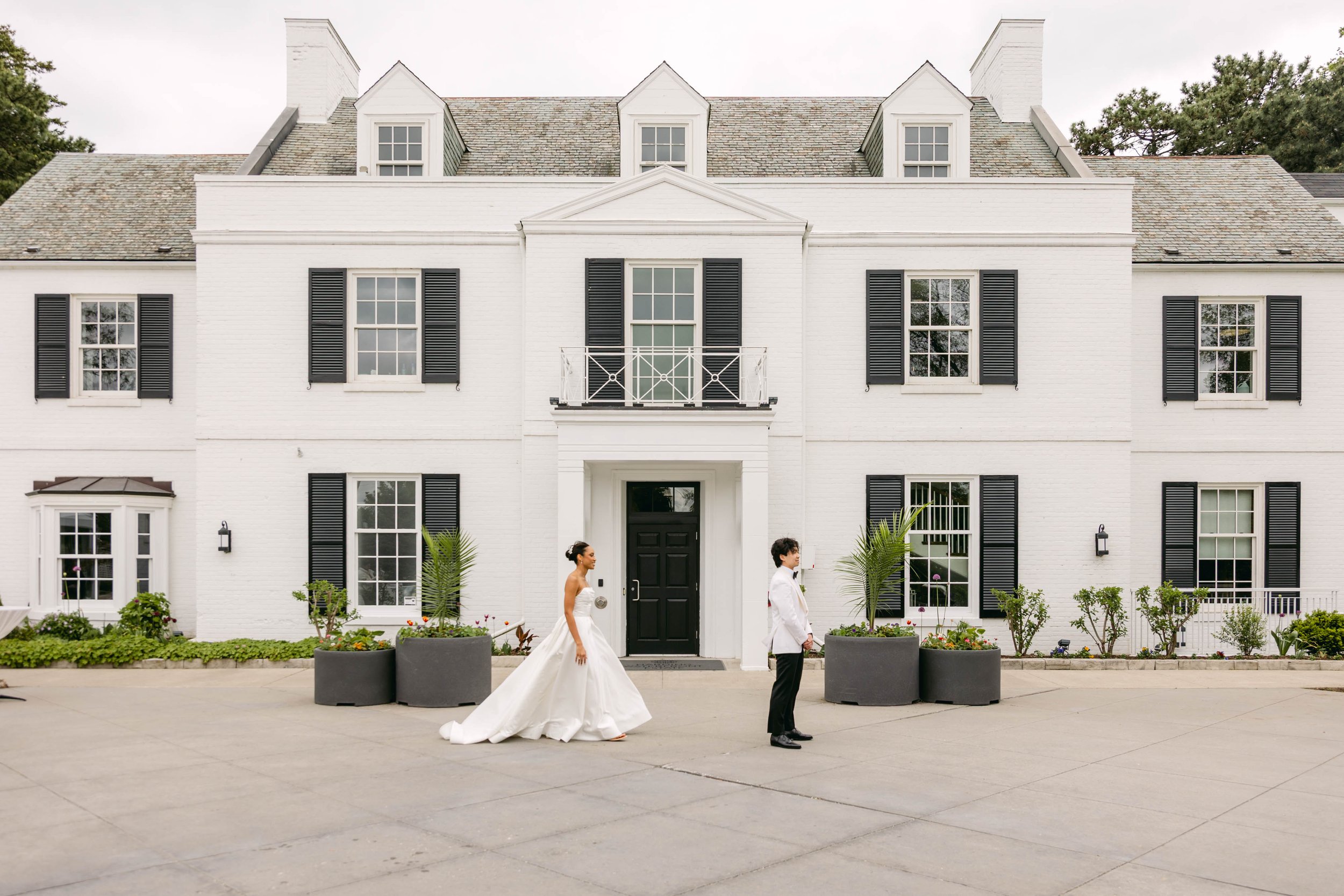
All photography in this article by 515 Photo Co
What Does a First Look Actually Change?
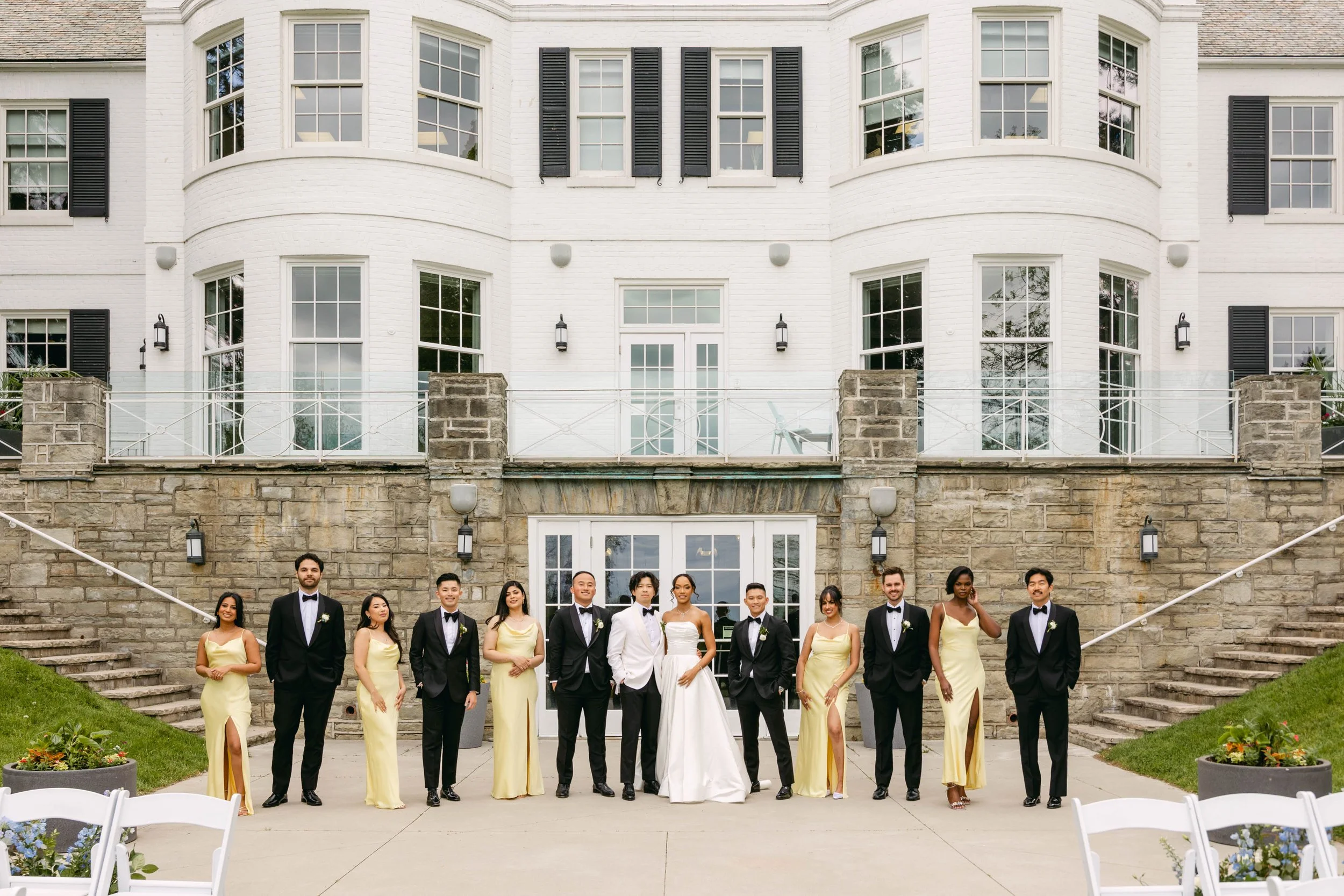
The greatest practical advantage of a first look is that it allows us to complete most, and often all, of the formal photography before the ceremony begins. After the couple has seen each other, we can move through couple portraits, immediate and extended family photographs, and wedding-party portraits while everyone is already together and ready.
We generally allocate around two hours for this portion of the day, although the exact timing depends heavily on the media team's preference, the size of the wedding party and the family photo list. A couple with a small wedding party and a handful of family combinations will naturally need less time than a couple with a large wedding party, multiple generations of extended family, and many requested groupings.
The timeline also needs to begin early enough that getting to the first look does not become a race. Our goal is typically to finish formal photography approximately 30 minutes before the first guests are expected to arrive for the ceremony. That buffer gives the couple time to step away, freshen up, have some water, breathe and prepare for the ceremony without guests arriving around them while they are still finishing photographs.
A first look only creates a more relaxed wedding day when the timeline surrounding it has been designed to do the same.
Will a First Look Make the Ceremony Less Special?
This is one of the most common concerns couples have. If they see each other privately beforehand, they worry that the moment of walking down the aisle will somehow lose its emotional impact.
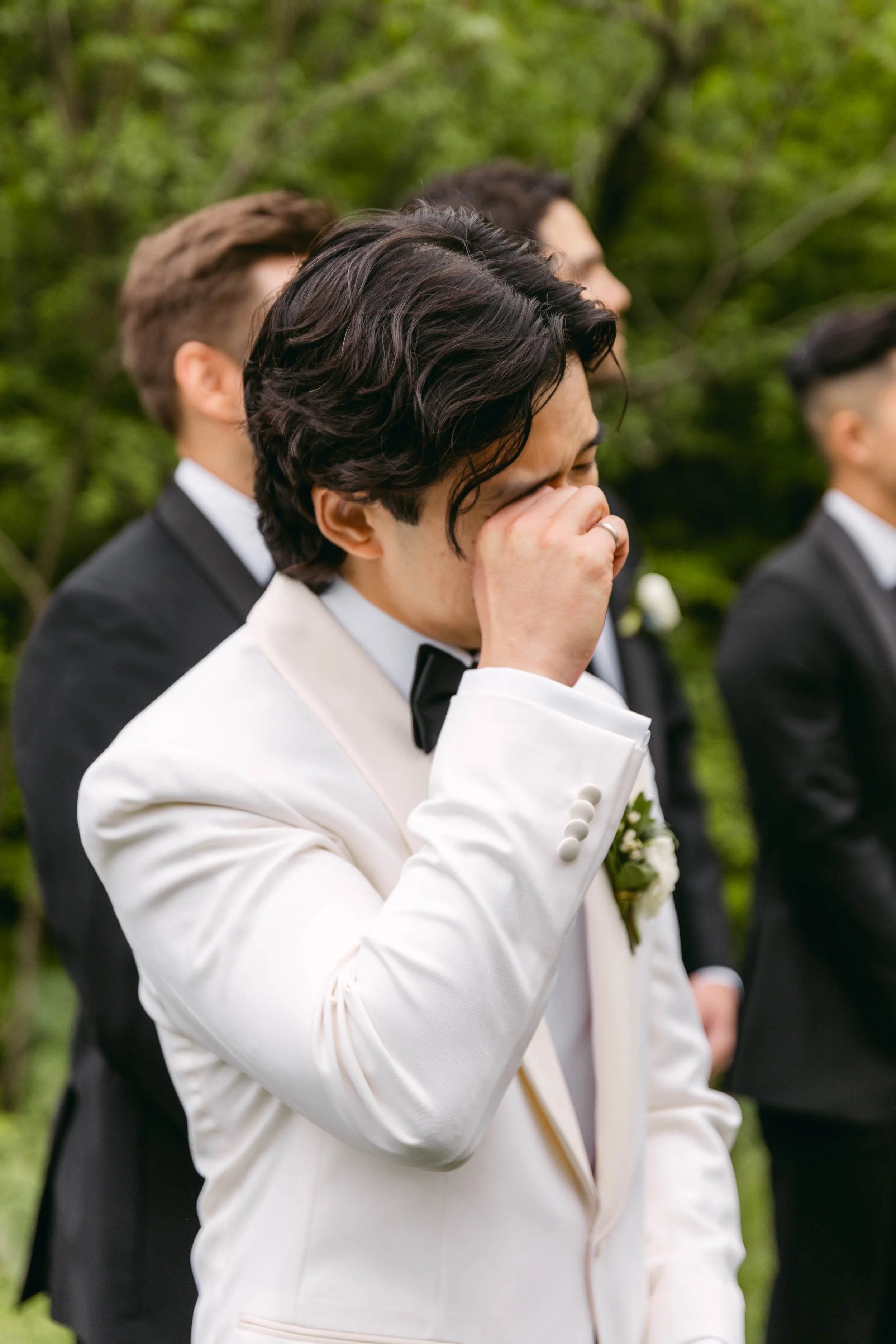
Our couples who have chosen a first look have told us something quite different. The ceremony still felt incredibly significant because the context had completely changed. Their families and friends were now present, the music was playing, and they were experiencing the moment surrounded by the people who had come to witness their marriage. Seeing each other privately beforehand did not recreate that experience or take it away.
For some couples, the first look also helped settle their nerves. They had already been able to see each other, talk, connect and have a moment together before standing in front of a room full of people. The first look and the ceremony entrance became two distinct memories rather than one replacing the other.
If, however, you have always imagined the first time you see each other happening at the ceremony and that tradition carries genuine meaning for you, that matters. There is no reason to give up a moment you deeply value simply because a first look may make the photography timeline easier. Our job as planners is to understand that priority and build the rest of the day accordingly.
What Happens If You Don’t Do a First Look?
Choosing not to have a first look usually means that the majority of formal photography needs to happen immediately after the ceremony. We typically begin with family portraits so parents and relatives can return to cocktail hour as quickly as possible, followed by the wedding party and then couple portraits.
The order is intentional. Cocktail hour is not simply an hour that needs to be filled between the ceremony and dinner. It is part of the wedding experience, and it can feel surprisingly empty when the couple, their families and the entire wedding party all disappear at the same time for photographs. These are often the people guests know best and naturally expect to see after the ceremony, so getting family members and the wedding party back to the celebration as quickly as possible helps the event continue to feel hosted.
The couple will usually remain with the photographer the longest because their portraits happen last. Depending on the number of formal photographs required, this can mean missing much or all of cocktail hour.
There is nothing inherently wrong with that trade-off. Some couples would happily give up cocktail hour because seeing each other for the first time at the ceremony matters more to them. We simply want them to understand that choice when we are building the timeline, rather than discovering on the wedding day that the decision also determined how they would spend the hour after they were married.
A First Look Gives You More Choice During Cocktail Hour
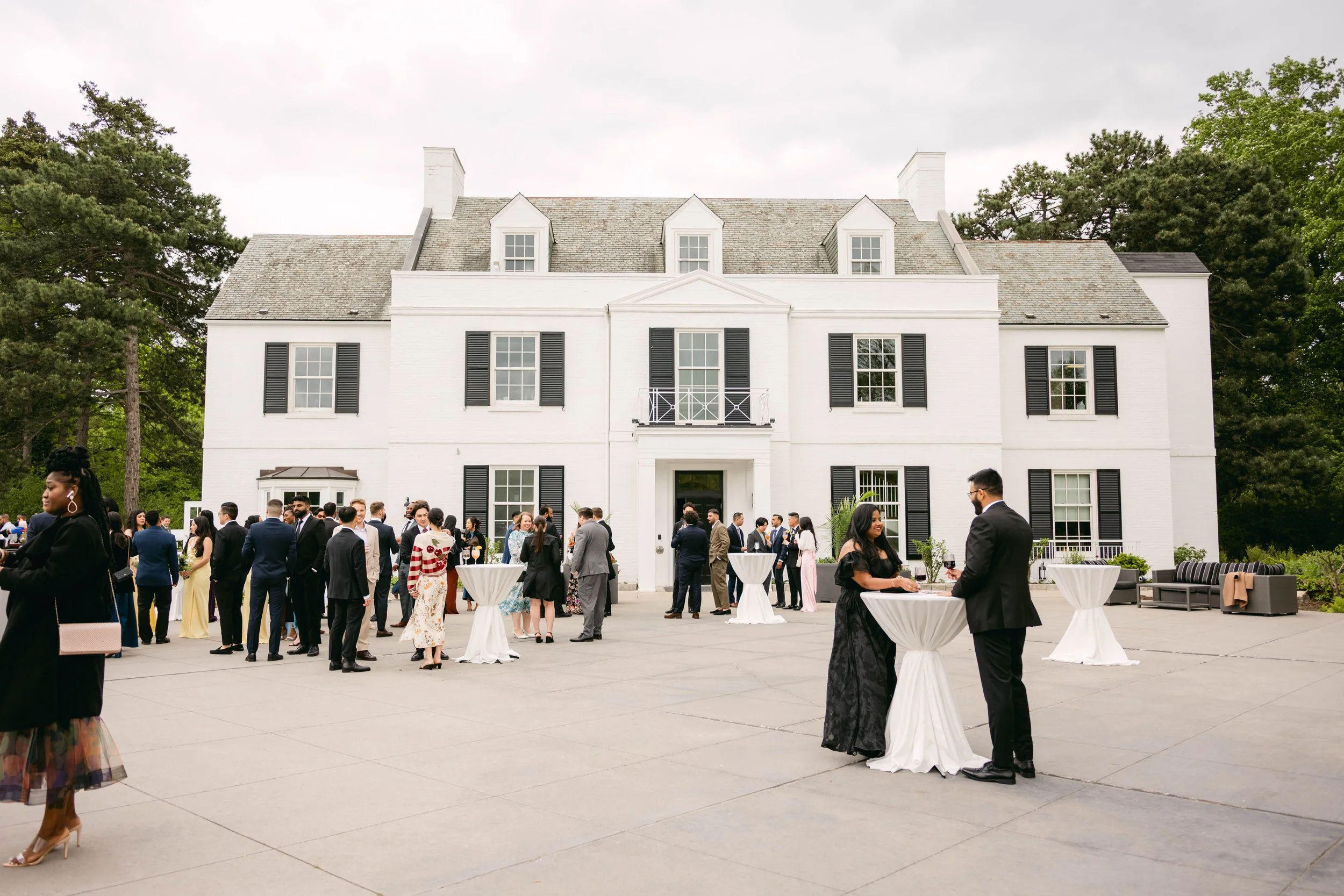
When formal photography is already complete, cocktail hour becomes open time rather than scheduled photo time, and couples can decide what they actually want to do with it.
Some of our couples want to join their guests. They have spent months choosing the food, drinks, music and atmosphere for cocktail hour, and they want to experience some of it themselves. They can have a cocktail, eat the hors d’oeuvres they selected and spend time greeting people without immediately needing to sit down for dinner. Other couples would rather disappear for a little while, and we love that too.
We often encourage couples to spend at least part of cocktail hour privately together in their suite, particularly after an emotional ceremony. Food and drinks can be waiting for them so they can sit down, eat something, talk about what just happened and have a breather before returning to a room where everyone will understandably want their attention.
This is one of the reasons we think about first looks as part of the larger wedding timeline rather than an isolated photography decision. Completing formal photographs earlier does not mean every newly available minute needs to be filled with another activity. Sometimes the best use of that time is simply having nowhere you need to be for a little while.
For more on how we intentionally create that kind of breathing room throughout a wedding day, read our Cornerstone Conversation, How to Build a Wedding Timeline That Lets You Stay Present.
Completing Formal Photos Early Does Not Mean You Stop Taking Photos
We still love pulling our couples away for golden-hour portraits, nighttime photographs or another short creative session later in the celebration. The difference is that those photographs are no longer carrying the weight of a long formal shot list. Instead of gathering parents, grandparents, siblings, cousins and the wedding party again, the couple can step outside together for ten or fifteen minutes while the light is beautiful, take a few photographs and have another pocket of time alone.
We will find almost any excuse to give our couples a few minutes together on their wedding day.
These smaller portrait sessions also allow photography to become increasingly documentary as the celebration unfolds. Once the formal obligations are complete, the photographer has more freedom to capture hugs after the ceremony, conversations during cocktails, reactions during speeches, dinner, dancing and all of the spontaneous moments that could never have been added to a shot list beforehand.
The result is not necessarily fewer photographs, but rather, it is a different relationship with photography throughout the day, where much of the wedding can be captured as it naturally happens.
What About Cultural and Fusion Weddings?
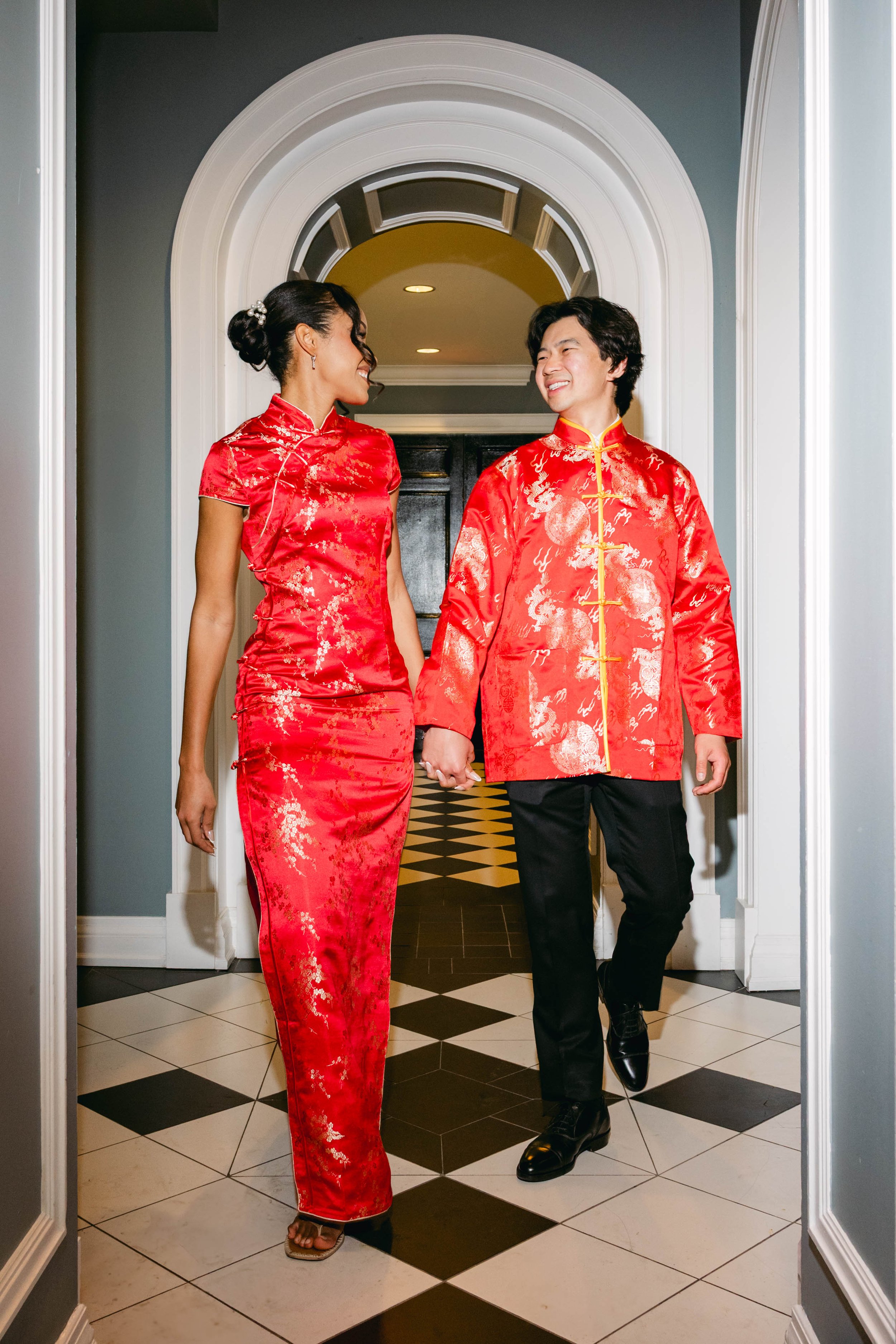
A traditional Western wedding timeline is not the template for every celebration, particularly for the multicultural and fusion weddings we frequently plan.
Some cultural or religious traditions do not traditionally include a first look, although we are seeing more fusion couples choose to incorporate one when it feels appropriate to them. In other weddings, the structure of the day makes a traditional pre-ceremony first look less relevant altogether.
A wedding with a morning cultural ceremony and an evening reception, for example, often has a generous break between the two celebrations. Guests may attend the ceremony and lunch, leave for several hours, and then return for cocktail hour and the evening reception. In that scenario, we can use the natural break in the day strategically.
Portraits can take place during and after lunch, followed by time for the couple to change or refresh their attire. We can then complete additional portraits in their reception looks before guests begin returning for cocktail hour. By the time the evening celebration starts, the formal photography is complete, and the couple has much more freedom to experience the reception.
This is why we do not apply one rule to every wedding. The traditions being honoured, number of ceremonies, outfit changes, guest movements and overall structure of the celebration all influence where photography fits best.
So, Should You Have a First Look?
If you already know that seeing each other for the first time at the ceremony is important to you, we would begin there and design the photography timeline around that priority. You should understand that formal portraits will likely occupy much of cocktail hour, but that may be a trade-off you are completely happy to make.
If you would prefer a private first moment together, a first look creates the opportunity to complete formal photography earlier while also giving you considerably more flexibility after the ceremony.
If you genuinely have no preference, we would not make the decision in isolation. We would look at the entire wedding day: when the venue gives us access, where photography can happen, the ceremony time, the size of your family and wedding party, the complexity of the setup and design, and how many hours you have booked your photography and video teams. From there, we can determine where a first look and formal portraits fit most naturally without forcing the rest of the day to accommodate them.
Ultimately, the question is larger than whether you want to see each other before walking down the aisle. It is about deciding how you want to experience the hours surrounding that moment and building a timeline that protects those priorities.
A well-designed wedding timeline should give you enough structure that everything important can happen while still leaving enough space for you to actually experience it.
Planning a Wedding Day That Gives You Time to Be Present
At Events by Whim, we build wedding timelines around more than logistics. We consider how photography, cultural traditions, guest experience, transportation, design setup, meals and private moments interact so that the schedule supports the experience you want to have rather than simply moving everyone from one item to the next.
If you are planning a wedding in Toronto, Calgary or beyond and want a planning team that considers both the details of the day and how it will actually feel to live through them, we would love to hear what you are planning.