
Why Your Seating Plan Is Really a Hospitality Plan | Cornerstone Conversation
Cornerstone Conversation
Why Your Seating Plan Is Really a Hospitality Plan
Most couples don't begin thinking seriously about their seating plan until the RSVP deadline is approaching. It makes sense - until you know who's attending, there isn't much point in deciding whether your rowdy university friends are sitting with your party-hard cousins or your even rowdier work colleagues.
This is also the point where many couples discover that creating a seating chart is much harder than they expected. Keeping families together, navigating complicated divorce dynamics, deciding who should be closest to the dance floor, the bar, or the head table, all while making sure no one feels left out, can quickly become one of the most time-consuming parts of planning. Right at the end, when you're so close to the finish line!
What often surprises our couples is that while the seating chart is finalized toward the end of the planning process, many of the decisions that shape it should happen much earlier.
a Seating Chart and a Floor Plan Are Two Completely Different Things
There is an important distinction between a seating chart and a floor plan, and understanding that difference can have a big impact on how your wedding feels for both you and your guests. The seating chart answers the question, "Who is sitting where?"
The floor plan answers questions that are much broader. How will guests move through the room? Will everyone have a clear view of the speeches? Is there enough space for servers to move comfortably between tables? Where will live food stations be located? Where is the bar in relation to the dance floor? Will elderly guests be seated away from the speakers? Is there enough room for high chairs without blocking service? Has space been allocated for the photographer, DJ and planning team to have dinner while still being available to support the reception?
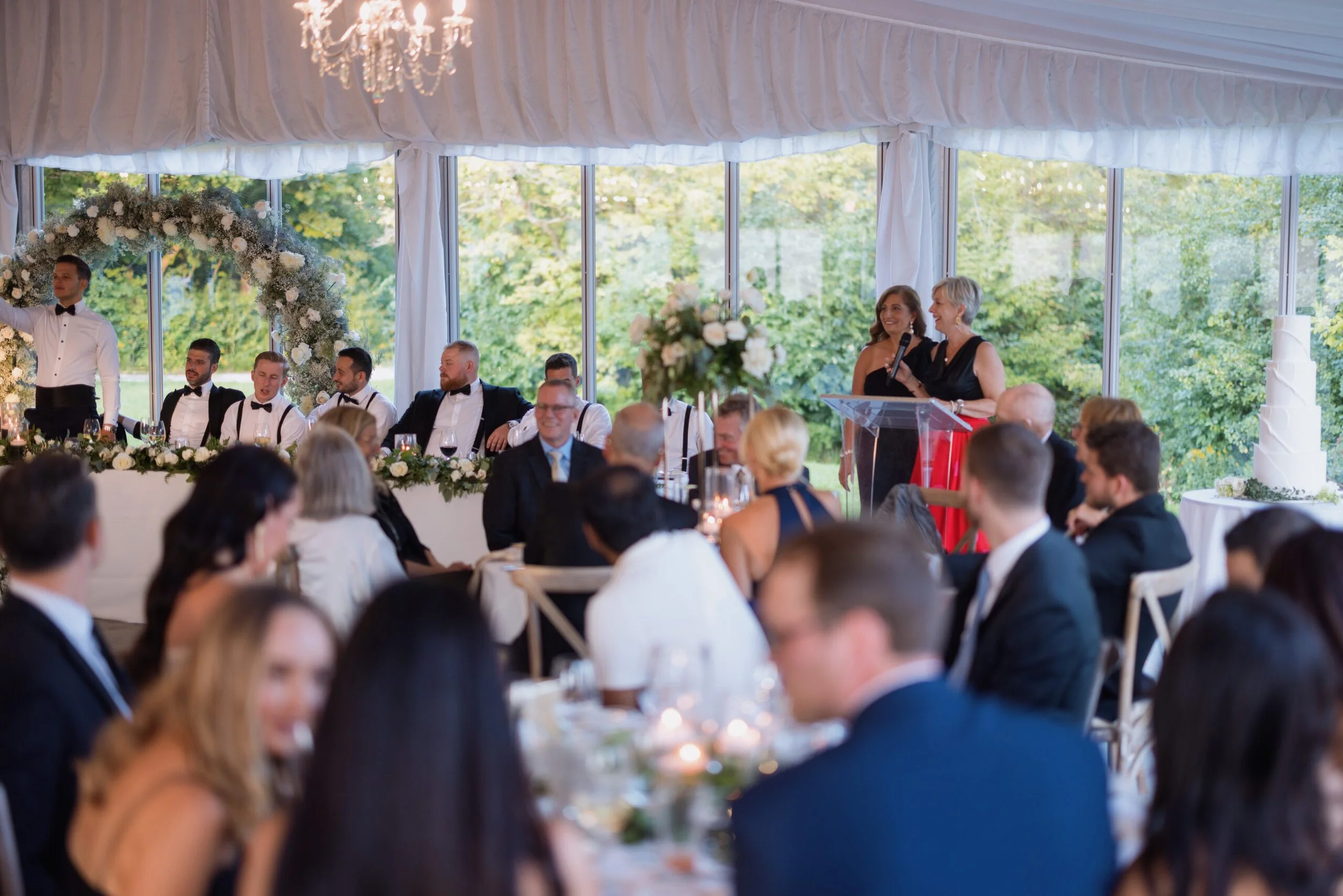
Hospitality Begins Long Before Guests Arrive
One of the biggest misconceptions about wedding hospitality is that it begins when guests arrive at the venue. In reality, it begins much earlier during the planning process. Every thoughtful planning decision contributes to how your guests will experience the celebration, whether they ever notice those decisions or not.
A well-designed floor plan rarely attracts attention. Guests won't compliment the spacing between tables or comment on the location of the service aisle. What they will remember is that the evening felt comfortable. Dinner flowed naturally. The bars weren't crowded. They could see and hear the speeches. They weren't wondering where to go next or struggling to hear the people they came to celebrate. Vendors weren't running around looking frazzled.
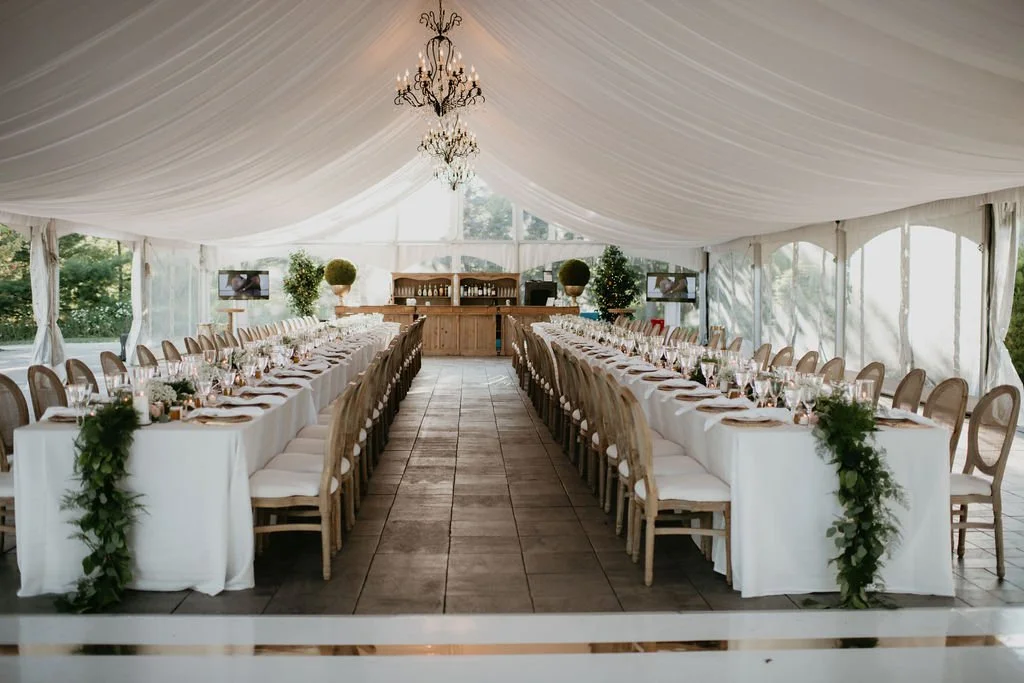
Those moments don't happen by chance. They are the result of dozens of thoughtful decisions made long before anyone is shown to their seat. Before you finalize your seating plan, ask yourself one question:
Will this layout simply tell guests where to sit, or will it help them feel welcomed, comfortable and included?
If you're enjoying our Cornerstone Conversations, you may also enjoy:
“How to build a wedding itinerary that keeps you stress free.”